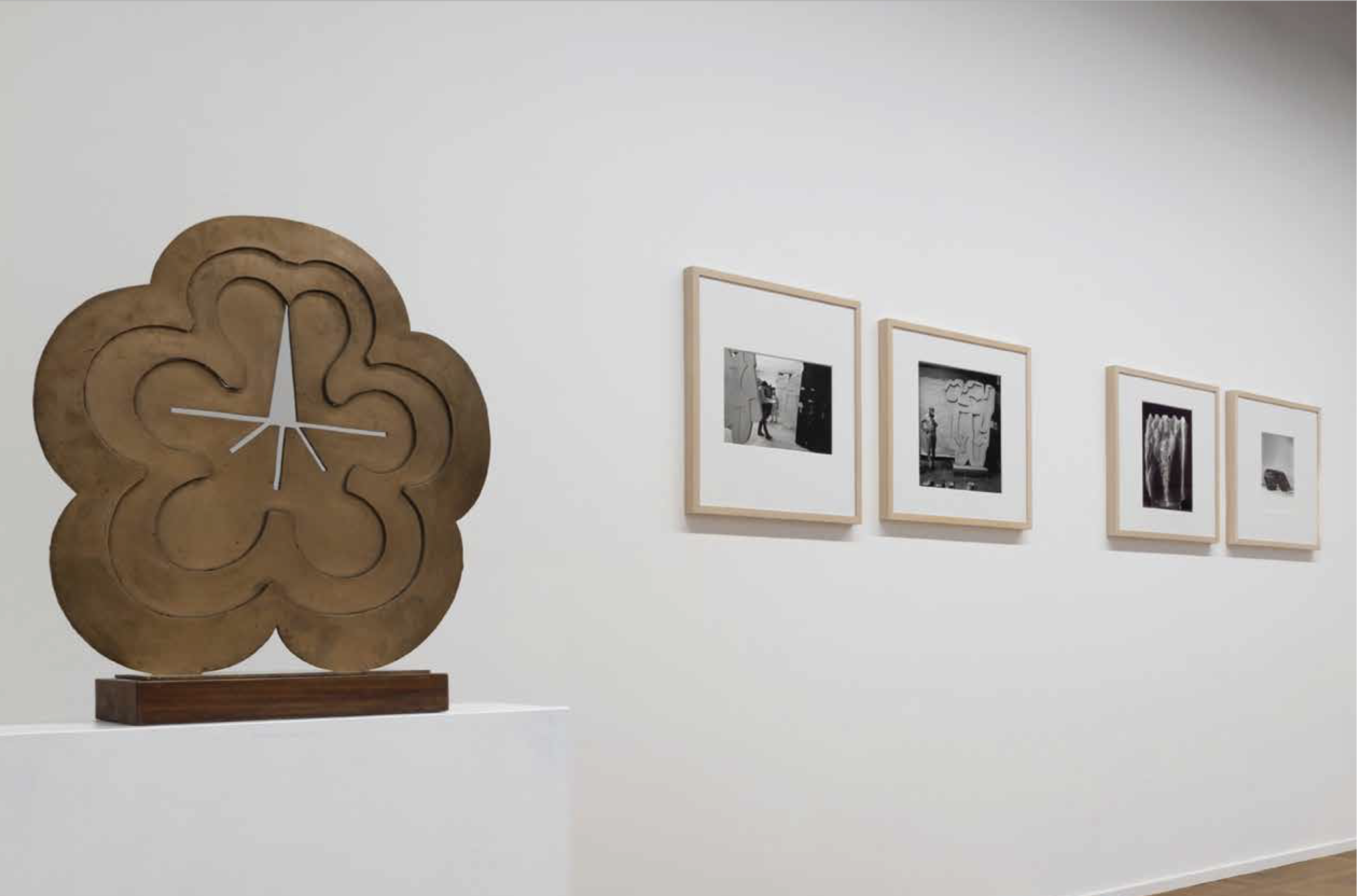
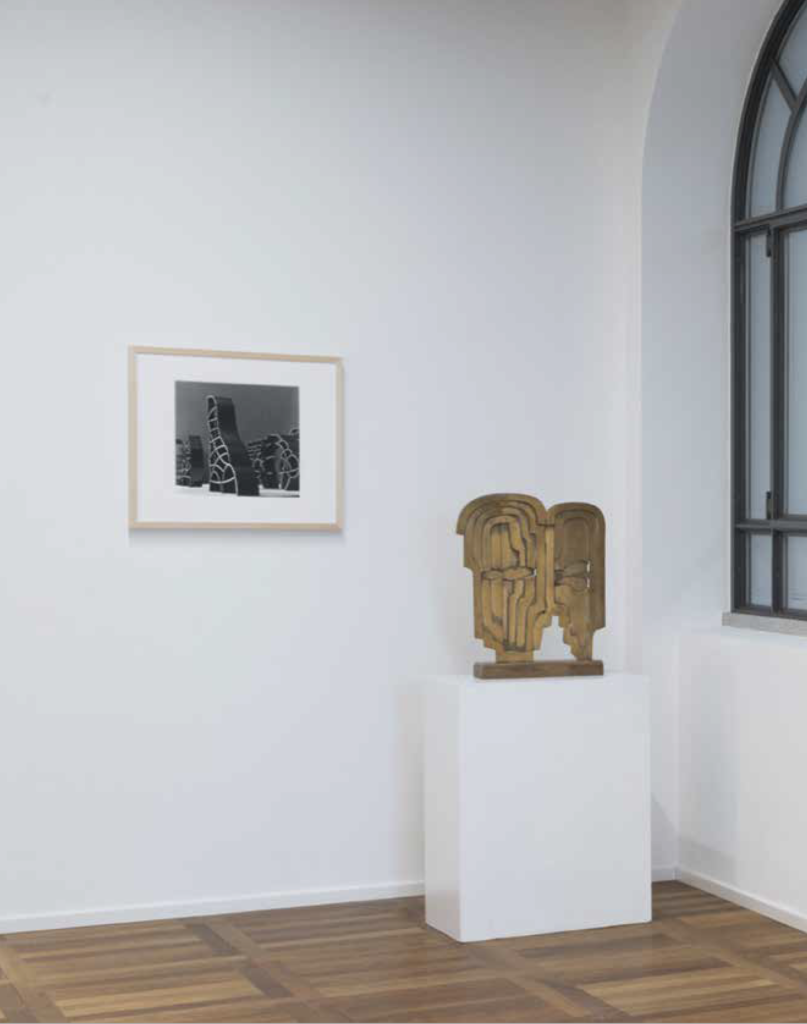
Pietro Consagra, Mira n. 1, 1971, cm 73 x 73,2 x 18
Pietro Consagra, Solida, 1971, cm 55,1 x 47,6 x 8,7
Milano 10 April 2026 – 26 June 2026
Lugano 17 September – 20 December 2026
UGO MULAS, PIETRO CONSAGRA, ARNALDO POMODORO
Cortesi Gallery
Curated by Alberto Salvadori
In collaboration with Archivio Mulas
Ugo Mulas – Pietro Consagra – Arnaldo Pomodoro, curated by Alberto Salvadori, is on view at both of the gallery’s locations. The exhibition marks the third chapter in the collaboration between the gallery and the curator—a research project dedicated to the relationships and dialogues that shaped the Italian art scene in the postwar period. The exhibition was organized with the support of the Ugo Mulas Archive, which made the artist’s photographs available to the gallery.
The artistic journey and the close personal relationship that bound these three central figures of the 20th century form the core of the project. Ugo Mulas shared with Pietro Consagra and Arnaldo Pomodoro a profound harmony of intent and vision regarding life and art. Their relationship, founded on a continuous intellectual and human closeness, developed within a context in which the boundary between artistic experience and everyday experience was constantly being crossed.
Mulas met Consagra for the first time in Venice at the 1954 Biennale and again in 1960, during the Biennale in which the sculptor received the International Grand Prize for Sculpture. From that moment on, the partnership between the two continued uninterrupted, giving rise to moments of intense reflection and mutual understanding. Arnaldo Pomodoro has been a constant presence in the photographer’s life and work since 1959, and the two have remained connected through an ongoing collaboration and unbroken dialogue. As Mulas himself recalled: “There is one artist for whom I have worked the most: Arnaldo Pomodoro […] and, for twelve years, I have been photographing all of his sculptures. Every time he has a piece ready, he calls me, and I go.”
The exhibition might appear to be a dialogue between two sculptors and a photographer; in reality, it is something more: it is the necessarily condensed narrative of a mutual intimacy. The photographs convey the depth of knowledge and trust that bound the three protagonists, taking on an additional autobiographical layer. This is neither art photography in the traditional sense nor mere documentation: what emerges is a genuine mutual exchange between the parties, each in their own role.
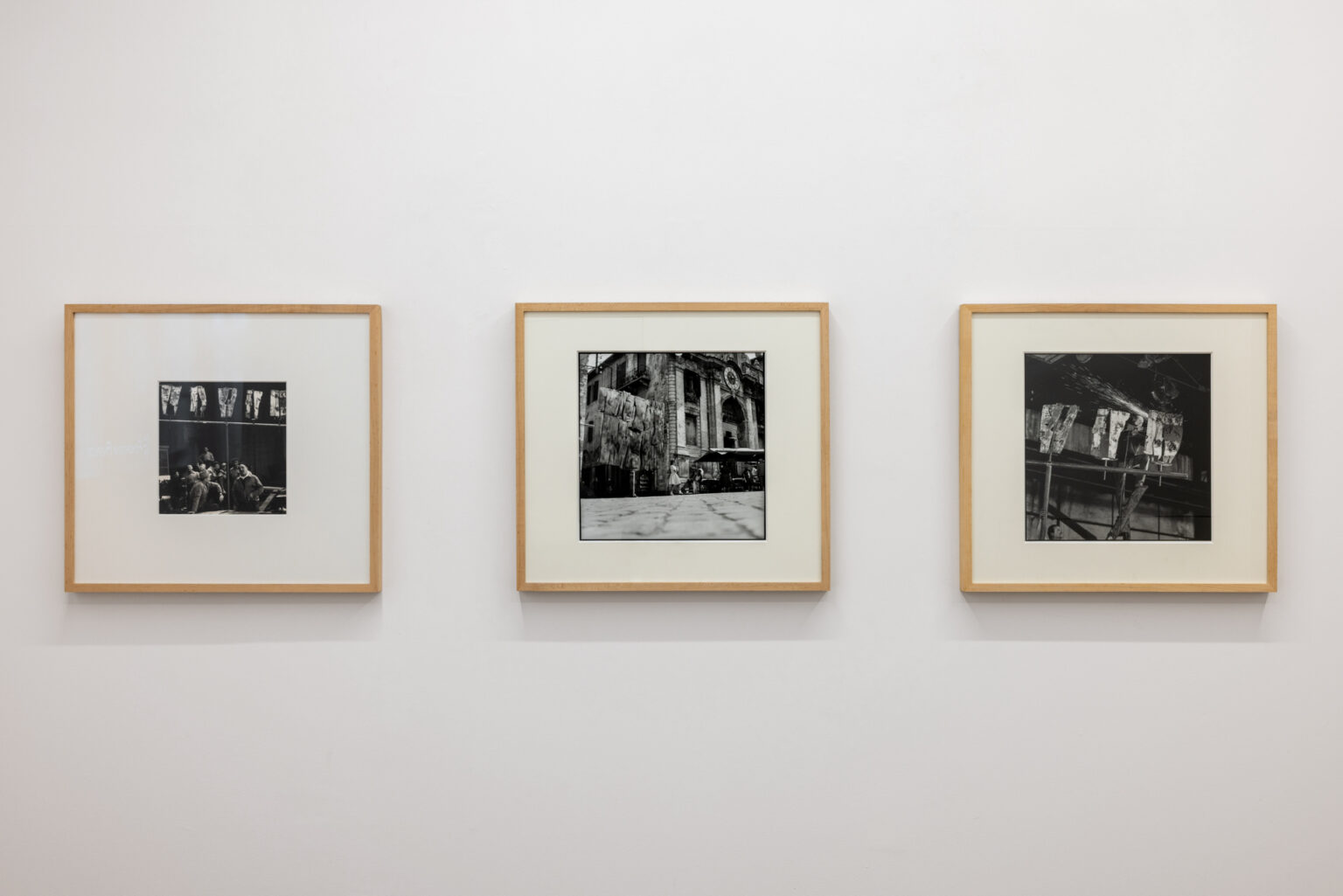
Ugo Mulas's photographies of Pietro Consagra's sculptures exhibited at Sculture nella città, June 21–July 22, 1962, Spoleto V Festival of two worlds